

250 g Cassava Flour (tapioca flour)
150 g Gluten-free Oat Flour
7 g Yeast
2 Eggs
5 g Salt
50 g Sugar
20 g Butter
300 ml Warm Water
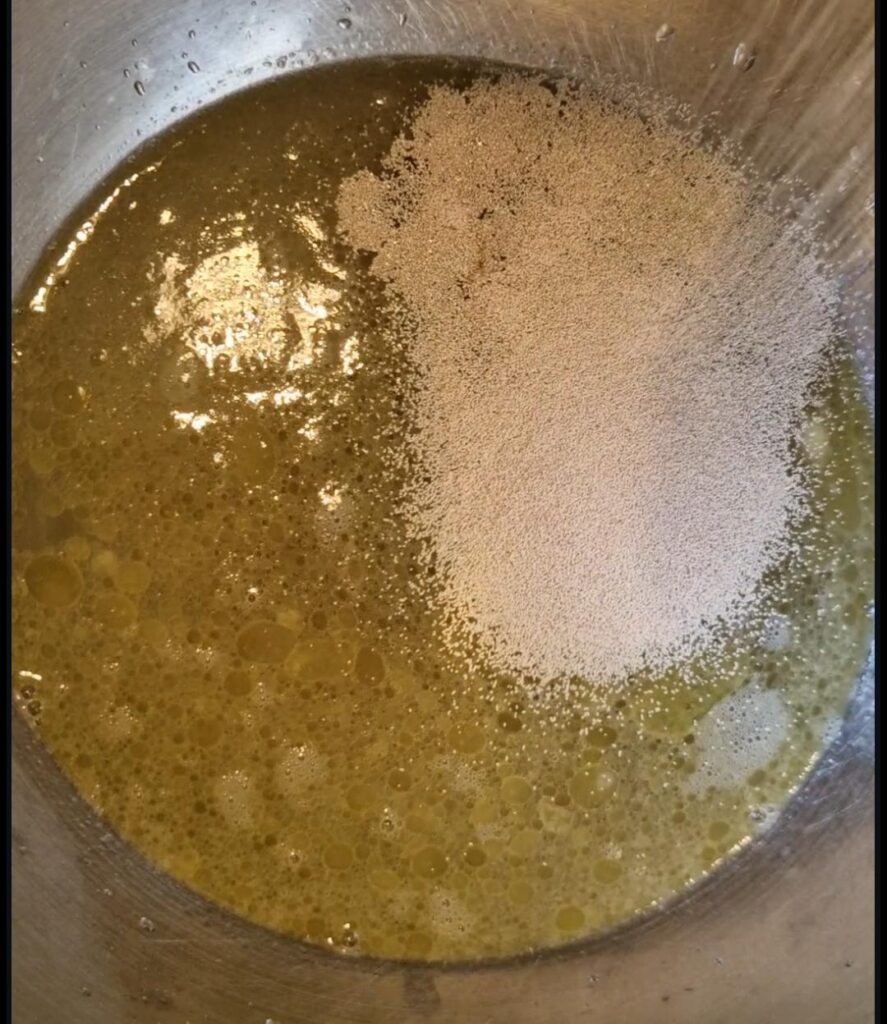
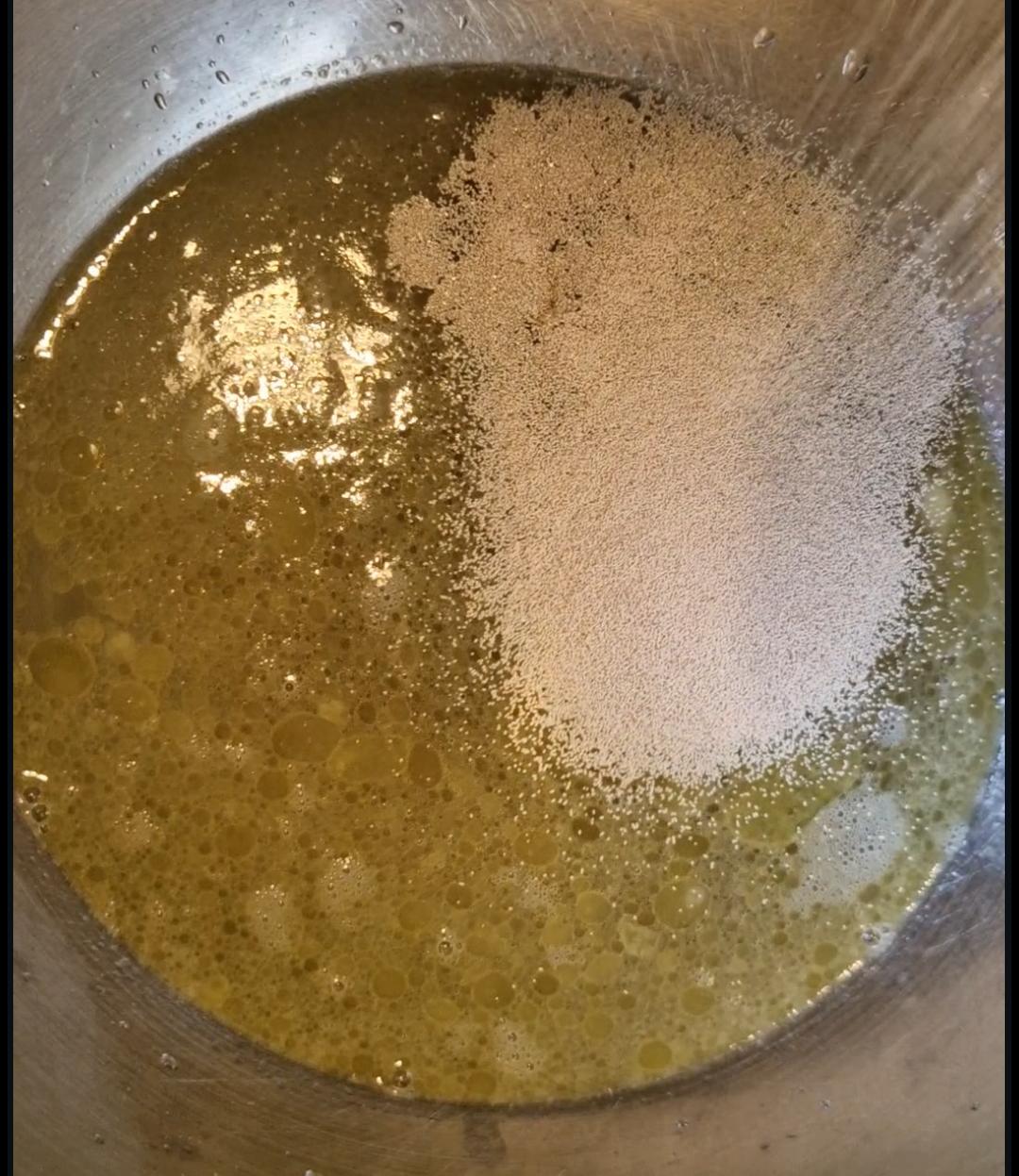
Activate the yeast
1
- Warm the water slightly (not hot).
- Add the sugar and yeast to the warm water.
- Stir gently and let it sit for 5–10 minutes until foamy.
Mix dry ingredients
2
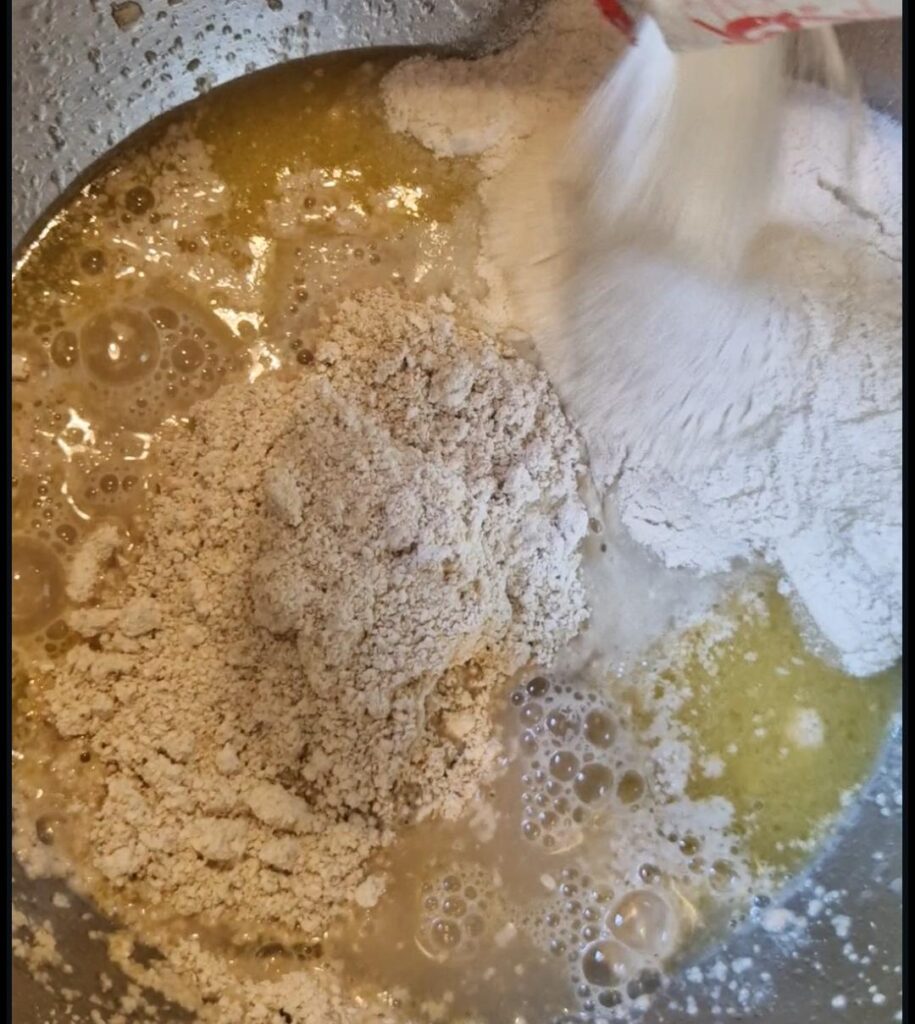
In a large bowl:
- Add cassava flour
- Add oat flour
- Add salt
Mix well.
Add wet ingredients
3
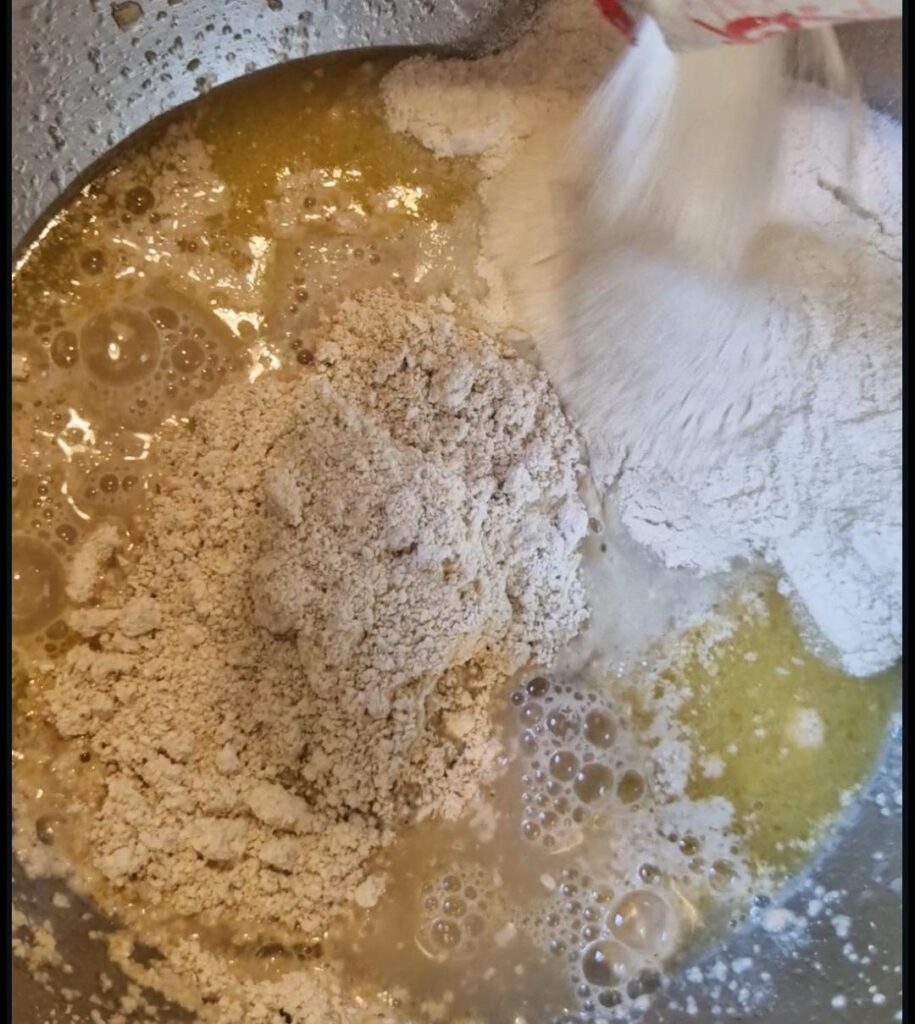
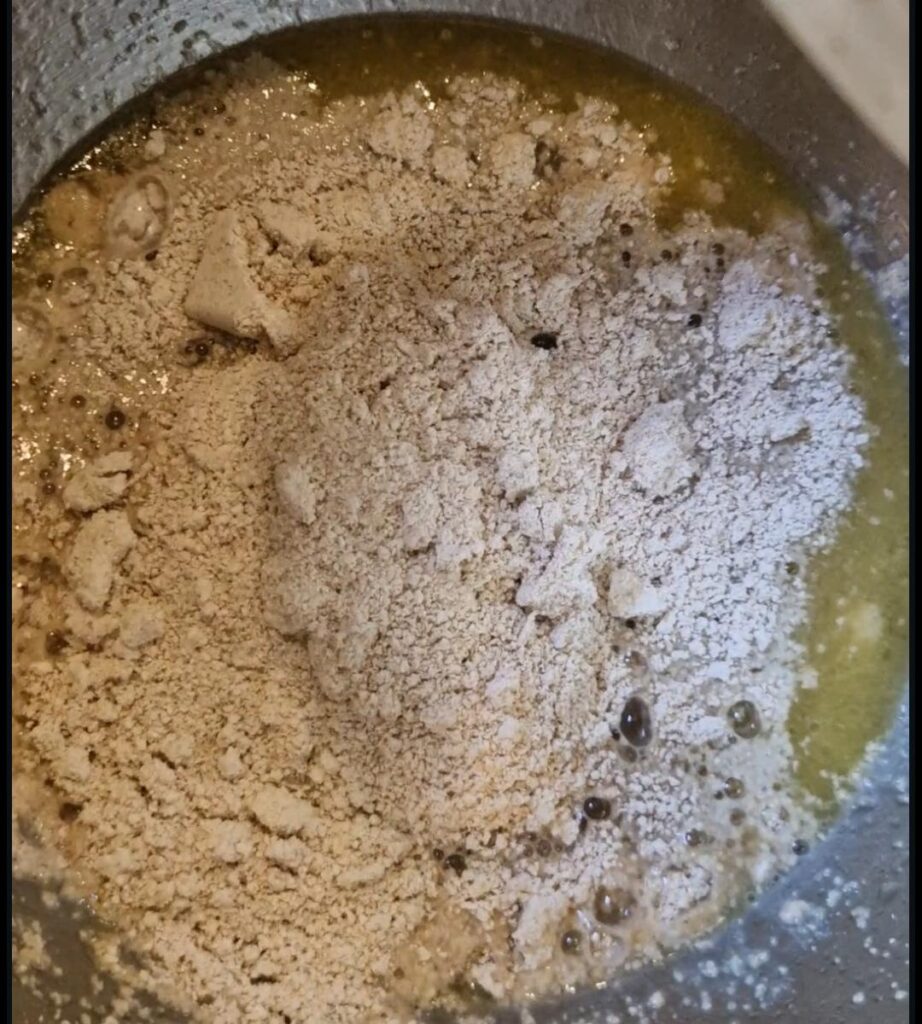
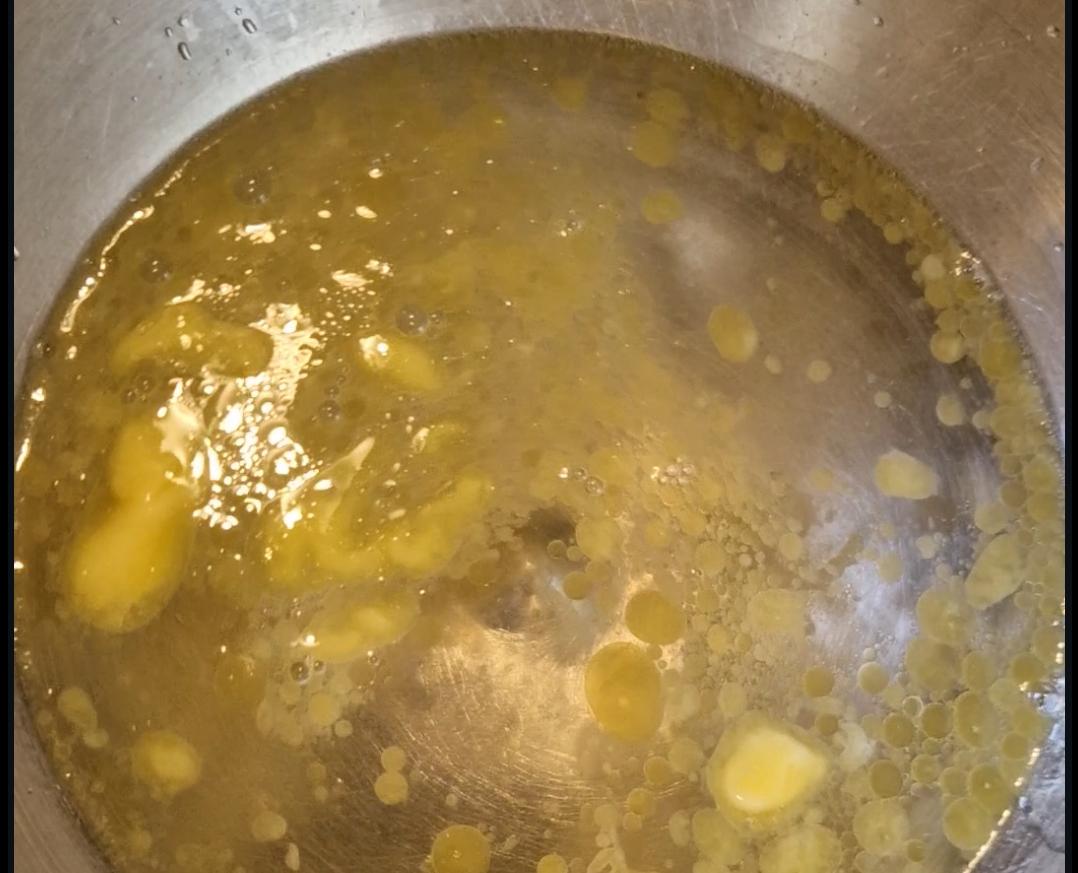
- Add the eggs.
- Add softened or melted butter.
- Pour in the yeast mixture.
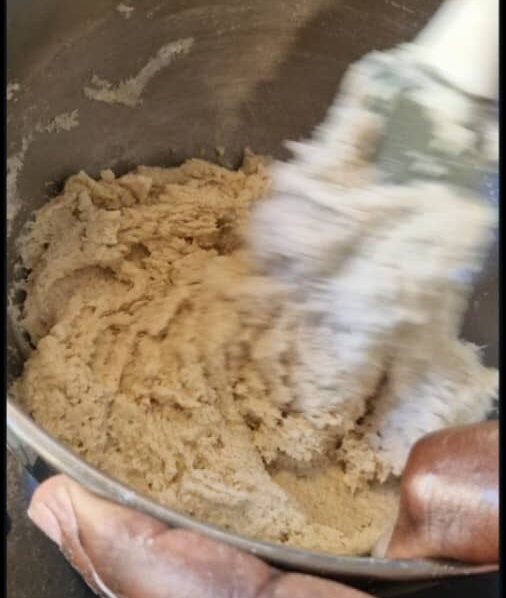
- Mix thoroughly using a spoon, whisk, or mixer.
Texture Tip
4
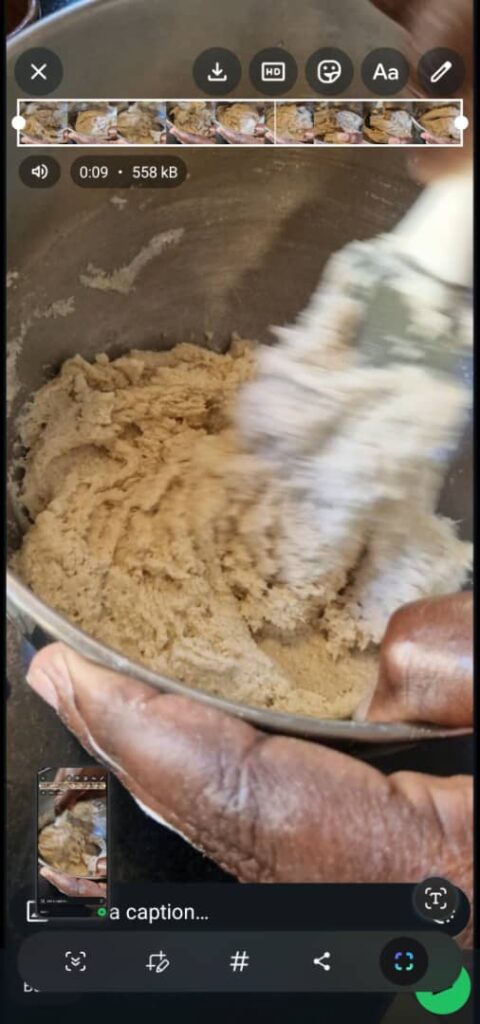
Gluten-free bread dough is usually:
- softer,
- wetter,
- more like thick batter than traditional dough.
Do not add too much extra flour.
First rise
5
- Grease a loaf tin or small baking pan.
- Pour/spoon the dough into the tin.
- Smooth the top with a wet spoon or spatula.
- Cover with a cloth.
Let it rise in a warm place for 45–60 minutes.
Bake
6
- Preheat oven to 180°C.
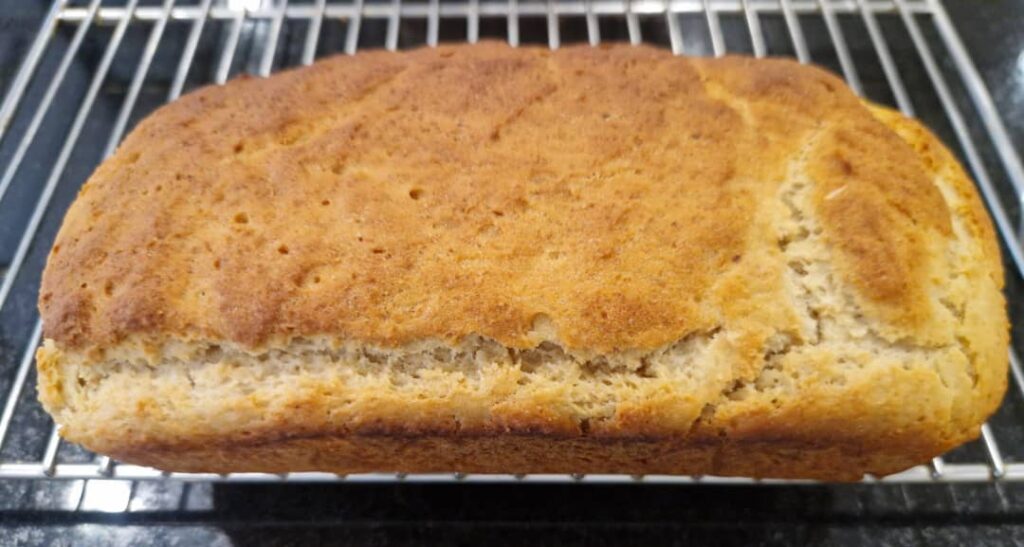
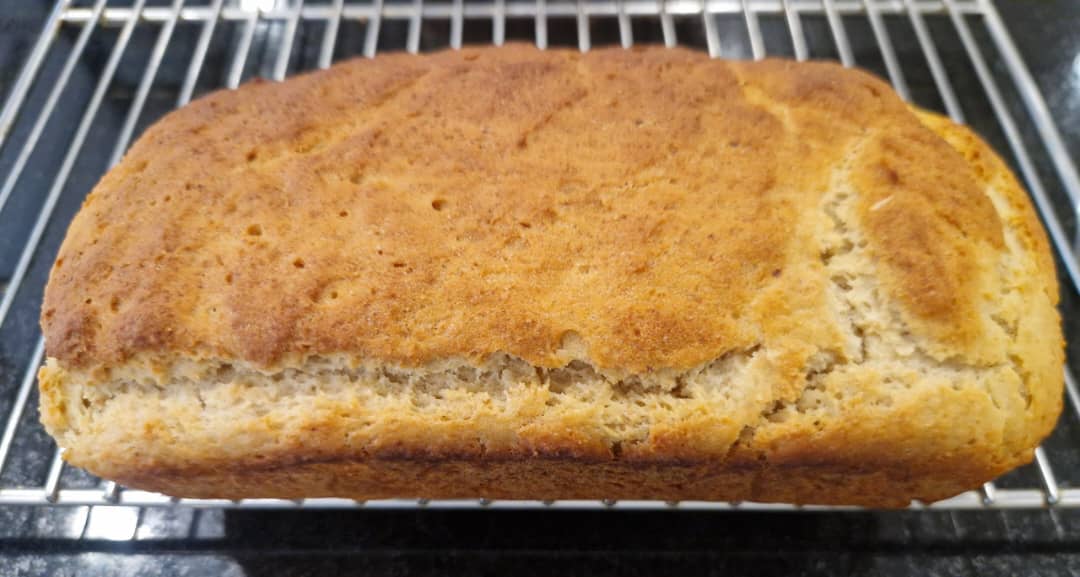
- Bake for 35–45 minutes until:
- golden on top,
- firm,
- and sounding hollow when tapped.
Cool
7
- Remove from the pan.
- Let the bread cool completely before slicing.
This helps the texture set properly.
Optional Improvements
8
For softer gluten-free bread, you can add:
- 1 tbsp vegetable oil
- 1 tsp vinegar or lemon juice
- 1 tsp psyllium husk (improves structure)
Storage
9
- Store in an airtight container.
- Best eaten within 2–3 days.
- Can be frozen and reheated.
This bread works well for:
- sandwiches,
- toast,
- tea bread,
- or breakfast with butter and jam.
Ingredients
250 g Cassava Flour (tapioca flour)
150 g Gluten-free Oat Flour
7 g Yeast
2 Eggs
5 g Salt
50 g Sugar
20 g Butter
300 ml Warm Water